
Innovative Chemical Safety Solutions and Eco-Friendly Environmental Protection Strategies
2026-04-21
In a world where environmental consciousness and chemical safety are paramount, the need for forward-thinking solutions has never been more critical. At ICIF, we're pioneering innovative approaches that blend cutting-edge chemical safety solutions with eco-friendly environmental protection strategies. This isn't just about compliance—it's about reimagining how industries can thrive while safeguarding our planet. Join us as we explore groundbreaking methods that challenge traditional practices, sparking curiosity and offering practical insights for a safer, greener future. Dive in to discover how ICIF is leading the charge towards a more sustainable tomorrow.
Revolutionizing Hazard Management with Next-Gen Chemical Safety Tools
Imagine if managing chemical hazards felt less like navigating a labyrinth of paperwork and more like having a clear, intelligent guide by your side. That's the promise of next-generation chemical safety tools, which are transforming how industries approach risk. By integrating real-time monitoring systems with predictive analytics, these innovations not only detect leaks or spills the moment they occur but can also forecast potential incidents based on historical data and environmental factors. This proactive stance shifts safety protocols from reactive measures to a continuous, adaptive process, drastically reducing downtime and protecting both workers and the environment with unprecedented precision.
What truly sets these tools apart is their ability to harness the power of AI and machine learning to interpret complex chemical interactions that might elude human oversight. For instance, advanced sensors can now identify trace amounts of volatile compounds in the air, while software platforms analyze patterns to suggest optimized storage layouts or handling procedures tailored to specific substances. This isn't just about automation—it's about creating a smarter safety ecosystem where decisions are data-driven and insights are actionable, fostering a culture of prevention rather than merely compliance with regulations.
Ultimately, the revolution lies in accessibility and collaboration. Gone are the days when safety tools were siloed in specialized departments; modern solutions offer user-friendly interfaces that empower everyone from lab technicians to plant managers to participate in hazard management. Through cloud-based platforms, teams can share real-time data across locations, enabling swift responses to emerging threats. This democratization of safety knowledge not only enhances operational efficiency but also builds a more resilient organization, ready to tackle the chemical challenges of tomorrow with confidence and innovation.
Green Tech Breakthroughs for Sustainable Environmental Protection
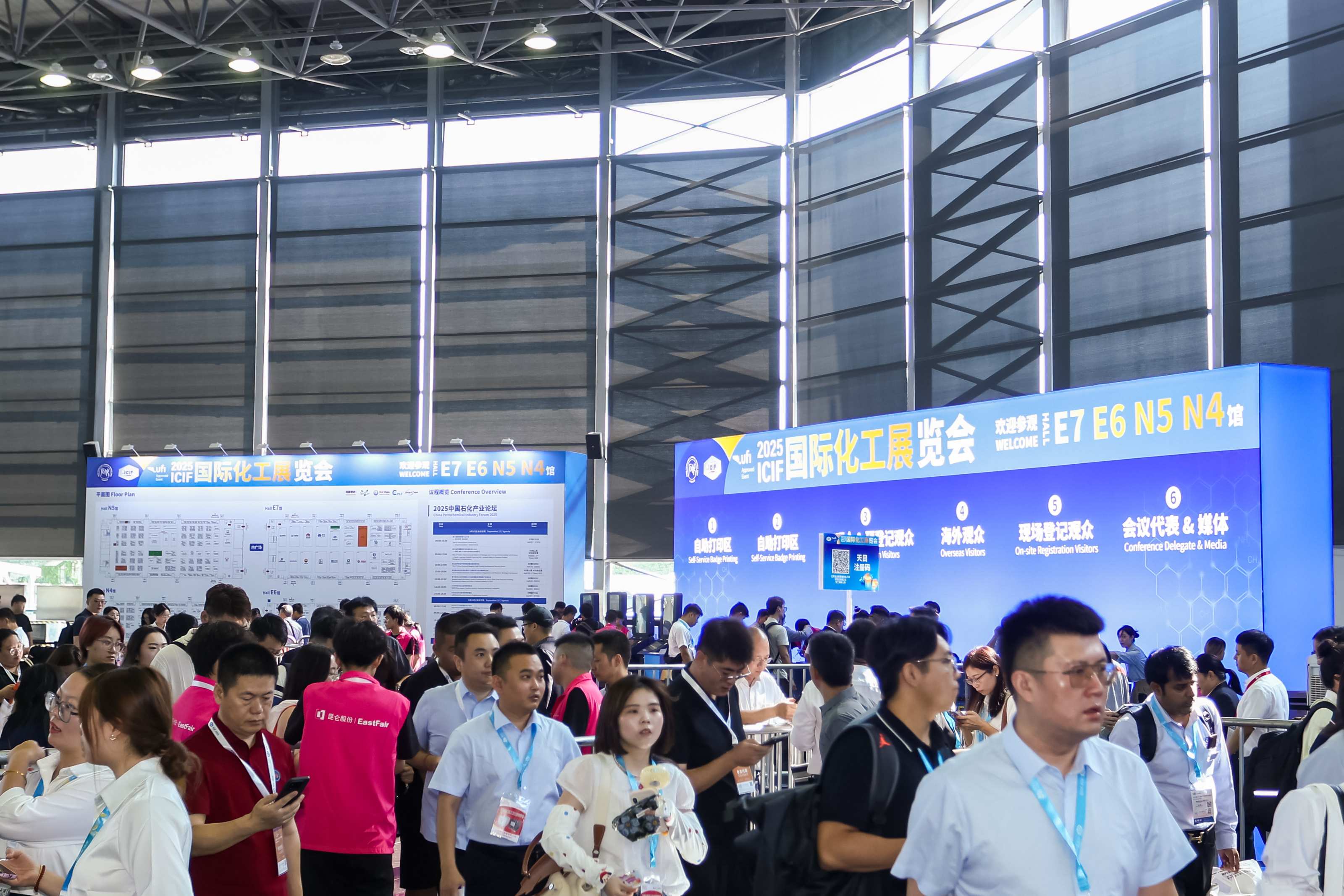
Innovations in green technology are revolutionizing how we approach environmental protection, with breakthroughs that not only mitigate damage but actively restore ecosystems. One standout example is the development of carbon capture and storage (CCS) systems that now integrate directly with industrial processes, turning emissions into usable materials like concrete additives. These technologies are becoming more affordable and efficient, allowing for large-scale adoption in sectors from manufacturing to energy production, thereby reducing the carbon footprint without compromising economic growth.
Another significant advancement is in the realm of renewable energy, particularly through next-generation solar panels and wind turbines that harness energy more effectively in diverse conditions. For instance, floating solar farms on reservoirs not only generate power but also reduce water evaporation, addressing multiple sustainability goals simultaneously. These innovations are making clean energy more reliable and accessible, even in regions previously considered unsuitable, and are often complemented by smart grid systems that optimize distribution and storage, enhancing overall resilience against climate-related disruptions.
In waste management and pollution control, breakthroughs include biodegradable plastics derived from algae and other organic sources, which decompose naturally without leaving harmful residues. Additionally, air purification technologies using advanced filters and AI-driven monitoring systems are being deployed in urban areas to tackle smog and particulate matter in real-time. These solutions are not just reactive; they promote a circular economy by transforming waste into resources, thus fostering long-term sustainability through innovative design and community engagement.
Proactive Risk Mitigation in Industrial Chemical Handling
In the realm of industrial operations, chemical handling demands a forward-thinking stance on risk management. Unlike reactive approaches that wait for incidents to occur, proactive mitigation involves identifying potential hazards before they escalate. This entails thorough risk assessments, predictive maintenance of equipment, and continuous monitoring of environmental factors. By anticipating issues like chemical leaks, spills, or incompatible substance interactions, facilities can implement safeguards that prevent accidents, ensuring worker safety and operational continuity.
A key aspect is the integration of advanced technologies and human expertise. For instance, real-time sensors and data analytics can track chemical levels, pressure, and temperature, alerting teams to deviations. Combined with comprehensive training programs that emphasize situational awareness, this synergy empowers employees to recognize early warning signs. Such measures not only reduce the likelihood of emergencies but also foster a culture of vigilance, where everyone from operators to managers plays a role in maintaining a secure environment.
Ultimately, proactive risk mitigation translates into tangible benefits beyond safety. It enhances efficiency by minimizing downtime from accidents, lowers costs associated with cleanup and regulatory fines, and boosts reputation among stakeholders. For example, a plant that routinely audits its chemical storage and handling protocols can adapt to new regulations swiftly, staying ahead of compliance issues. This strategic approach ensures that industrial chemical handling remains both safe and sustainable in a rapidly evolving landscape.
Eco-Conscious Innovation in Pollution Control and Remediation
In recent years, sustainable advancements in pollution control and remediation have shifted from traditional, often energy-intensive methods to strategies that align with ecological principles. These innovations prioritize not only the removal of contaminants but also the preservation of ecosystems and long-term resource efficiency. For instance, new approaches leverage natural processes, such as bioremediation using microorganisms or phytoremediation with plants, which can degrade or absorb pollutants like heavy metals and organic chemicals without introducing harmful byproducts. This focus on nature-based solutions reflects a growing recognition that effective environmental management must work in harmony with existing ecological systems, rather than against them, offering a more resilient and cost-effective path forward in tackling pollution globally.
One standout example of cutting-edge eco-conscious innovation is the development of advanced materials and technologies designed for minimal environmental impact. These include smart sensors and IoT devices that monitor pollution levels in real-time, enabling targeted interventions that reduce waste and energy use. Additionally, novel materials like biochar or graphene-based filters enhance water and air purification processes by being highly efficient, reusable, and often derived from renewable sources. By integrating such technologies, industries can move beyond reactive cleanup to proactive pollution prevention, fostering a circular economy where waste is minimized, and resources are continuously cycled back into productive use, thus addressing pollution at its source while supporting broader sustainability goals.
Furthermore, eco-conscious innovation extends to collaborative frameworks and policy-driven initiatives that amplify the impact of technological solutions. Multi-stakeholder partnerships between researchers, governments, and private sectors are crucial for scaling up these innovations and ensuring they are accessible and adaptable to diverse environmental contexts. For example, programs that incentivize the adoption of green remediation techniques or fund community-led restoration projects can drive widespread change, emphasizing not just technical excellence but also social equity and ecological stewardship. Ultimately, this holistic approach underscores that true progress in pollution control and remediation lies in blending ingenuity with a deep commitment to planetary health, paving the way for a cleaner, more sustainable future that benefits both people and the environment.
Cutting-Edge Solutions for Workplace Safety and Environmental Health
In today's fast-paced industrial landscape, innovative technologies are revolutionizing how we approach workplace safety and environmental health. From smart sensors that monitor air quality in real-time to wearable devices that track employee well-being, these solutions go beyond compliance, fostering proactive cultures of prevention. For instance, IoT-enabled systems can detect hazardous leaks or machinery malfunctions before they escalate, minimizing risks and reducing downtime.
Environmental health is also benefiting from advances in data analytics and AI, which allow organizations to predict and mitigate pollution impacts more effectively. Companies are adopting biodegradable materials and renewable energy sources, not just to meet regulations but to build sustainable reputations. This shift isn't just about avoiding fines; it's about creating safer, cleaner workspaces that attract top talent and boost morale.
Looking ahead, the integration of virtual reality for safety training and blockchain for transparent reporting is set to deepen these improvements. By embracing such cutting-edge approaches, businesses can stay ahead of emerging threats, ensuring long-term viability and ethical responsibility in an ever-changing world.
Integrating Smart Systems into Eco-Friendly Chemical Practices
Smart systems are revolutionizing eco-friendly chemical practices by enabling real-time monitoring and adaptive control, which significantly reduces resource waste. For instance, in green manufacturing, sensors and AI algorithms can optimize reaction conditions on the fly, minimizing energy consumption and byproduct formation. This integration allows chemical processes to become more sustainable without sacrificing efficiency, making it a game-changer for industries aiming to lower their environmental footprint.
Beyond operational tweaks, these systems facilitate better lifecycle management of chemicals. By tracking usage patterns and environmental impacts through data analytics, companies can design safer, biodegradable alternatives from the outset. This proactive approach not only cuts down on pollution but also aligns with regulatory demands and consumer preferences for greener products, fostering innovation in sustainable chemistry.
Moreover, the synergy between smart technologies and eco-conscious practices enhances collaboration across supply chains. Cloud-based platforms enable seamless sharing of best practices and sustainability metrics among stakeholders, driving collective progress toward circular economy goals. As this trend grows, it transforms chemical production into a more transparent, responsible, and future-ready endeavor.
FAQ
Recent advancements include the use of IoT-enabled sensors for real-time monitoring of chemical leaks, AI-driven predictive analytics to prevent accidents, and the adoption of green chemistry principles to design safer chemicals from the outset.
They often overlap by promoting waste minimization, such as through closed-loop systems that recycle chemicals, and by implementing biodegradable alternatives that reduce long-term environmental hazards while enhancing workplace safety.
SMEs can adopt simple measures like switching to water-based solvents, using energy-efficient equipment to reduce emissions, and engaging in local chemical sharing programs to cut down on waste and costs.
Technology enables smarter risk assessments with digital twins of facilities, drones for remote inspections in hazardous areas, and blockchain for transparent supply chain tracking to ensure compliance with safety and eco-standards.
Regulations are increasingly mandating the use of safer chemical substitutes and stricter reporting on environmental impacts, driving companies to invest in R&D for compliance and competitive advantage.
Challenges include high upfront costs and lack of technical expertise; these can be mitigated through government incentives, international collaborations for knowledge transfer, and scalable pilot programs that demonstrate long-term benefits.
Engaging workers with hands-on simulations and fostering a culture of continuous improvement ensures that safety protocols and green practices are consistently applied, reducing incidents and enhancing sustainability outcomes.
We anticipate a rise in biobased chemicals, increased use of circular economy models, and advanced robotics for handling hazardous materials, all aimed at creating safer, cleaner industrial processes.
Conclusion
Innovative chemical safety solutions are fundamentally transforming hazardous material management through next-generation tools that prioritize proactive risk mitigation in industrial settings. Cutting-edge technologies now integrate smart systems into chemical handling processes, enabling real-time monitoring, automated response protocols, and predictive analytics to prevent accidents before they occur. This revolution in hazard management goes beyond traditional safety measures by embedding workplace protection directly into operational workflows, ensuring that employee well-being and environmental health are safeguarded through intelligent, data-driven approaches rather than reactive compliance. Such advancements represent a significant leap forward in creating inherently safer industrial environments where technology acts as both shield and sentinel.
Simultaneously, eco-friendly environmental protection strategies are being reshaped by green tech breakthroughs that emphasize pollution control and remediation through eco-conscious innovation. Sustainable practices now merge with chemical processes to reduce ecological footprints, leveraging novel materials and methods that either eliminate harmful byproducts or convert them into benign substances. These strategies extend beyond mere regulatory adherence to foster holistic environmental stewardship, integrating chemical safety with broader planetary health goals. By harmonizing industrial efficiency with ecological resilience, this dual focus on innovation and sustainability positions forward-thinking organizations at the forefront of a global movement toward safer, cleaner, and more responsible chemical management frameworks that benefit both people and the planet.
Contact Us
Contact Person: Shaozhen Zhou
Email: [email protected]
Tel/WhatsApp: 0086-18612117599
Website: https://en.icif.cn/