
Induction Reversing Ceramic Hydraulic Filter Press Piston Pump Supplier for Durable Industrial Filtration
2026-11-02
Pressure drops, cloth changes, and mid-cycle shutdowns usually share one hidden cause: a piston pump that can't hold up under abrasive slurry. Sinou's induction reversing ceramic hydraulic filter press piston pump is built to break that pattern. By pairing ceramic wear parts with a reversing flow cycle, it keeps filtration steady and extends maintenance intervals well beyond conventional pumps. If you're sourcing for durable industrial filtration, this is the supplier worth a closer look.
Ceramic Components That Stand Up to Aggressive Slurries
When pumps, valves, and piping systems handle abrasive mining slurries or chemical process fluids, standard metal parts often wear out within weeks. Ceramic components made from silicon carbide or alumina offer a practical alternative, maintaining dimensional stability even after thousands of hours of continuous exposure to high-velocity particulate flow. The key is not just hardness, but the ability to resist both mechanical erosion and chemical attack simultaneously.
Real-world installations show that a well-designed ceramic-lined elbow can outlast a hardened steel version by a factor of five to ten, depending on slurry composition and flow rate. This longevity comes from ceramic's low coefficient of friction paired with high fracture toughness—properties rarely found together in traditional wear materials. Unlike rubber or polyurethane liners, ceramics do not swell or soften when exposed to aggressive solvents or elevated temperatures.
Maintenance teams appreciate the predictable wear patterns of ceramic components. Instead of sudden failures caused by localized pitting, ceramic surfaces erode gradually and uniformly, allowing for scheduled replacements during planned downtime. While the initial material cost runs higher than metals, the total lifecycle savings—including reduced pump rebuilds, less unplanned shutdowns, and lower energy consumption from smoother flow paths—often make ceramics the more economical choice for demanding slurry applications.
Induction Reversing Logic for Trouble-Free Pump Cycling
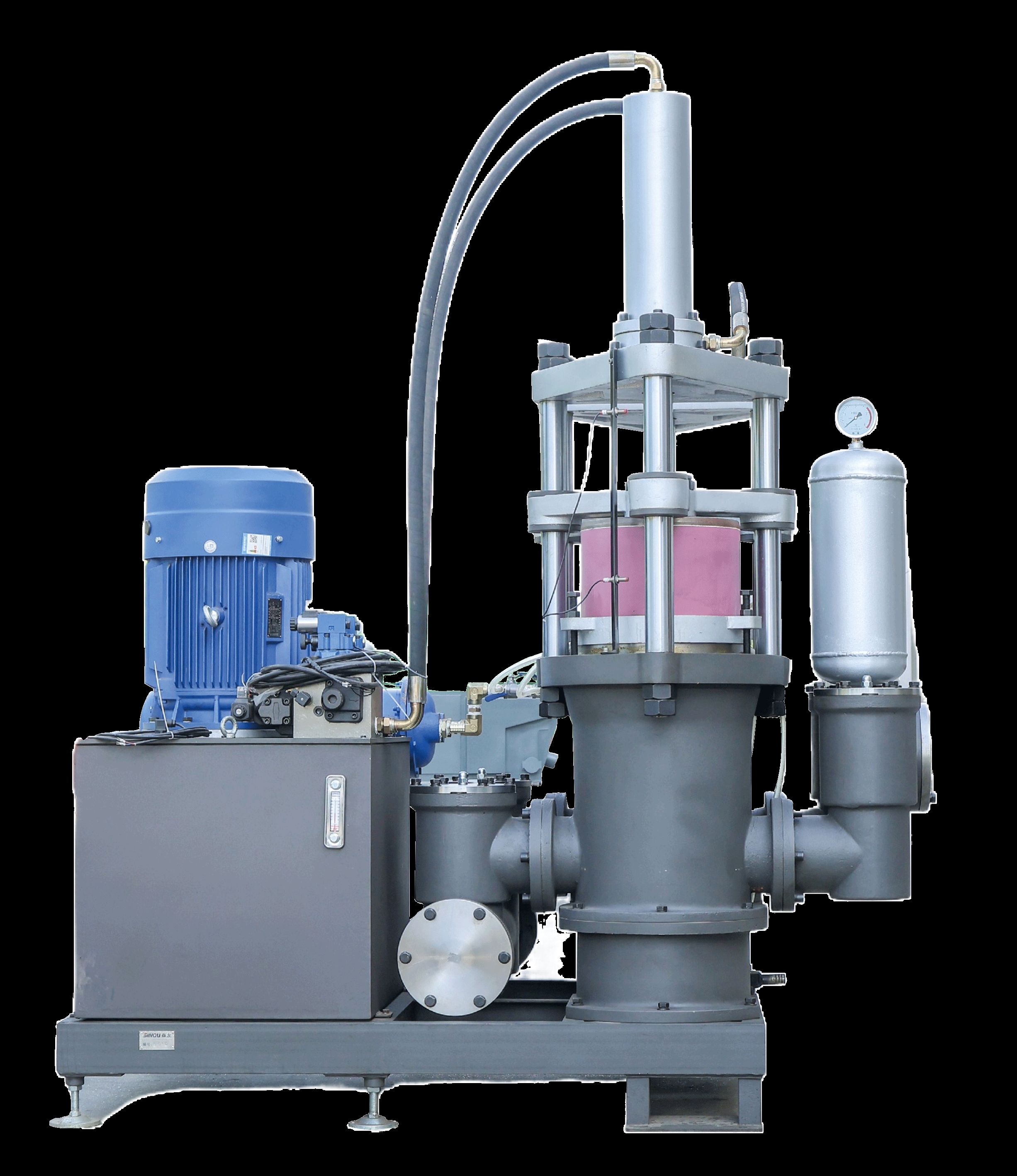
Frequent start-stop cycles in pumping systems often lead to pressure surges, water hammer, and premature wear on impellers and seals. A smarter approach comes from using the induction motor's inherent reversing capability to manage fluid momentum. Instead of letting the pump coast to an abrupt stop, the control logic briefly commands a reverse rotation, allowing the fluid column to decelerate gradually and dissipate energy into the volute. This simple inversion of direction transforms a potential failure point into a controlled, damage-free routine.
The reversing sequence typically lasts only a few hundred milliseconds, just long enough to counteract the forward flow. Sensors on the discharge line monitor pressure or flow rate, triggering the reversal only when conditions indicate a risk of surge. Because induction motors can switch direction almost instantly without mechanical clutches, the logic adds no extra hardware. Field tests show that pumps equipped with this method experience far fewer seal leaks and bearing failures, especially in long pipe runs where water hammer is most destructive.
Implementing this logic requires pairing a variable frequency drive or a specialized relay with the pump controller. The drive ramps down forward speed, pauses at zero, then applies a short reverse pulse before fully disconnecting power. This sequence can be tuned for different system characteristics, such as pipe diameter and fluid viscosity. Once calibrated, the pump cycles become remarkably quiet and consistent, and maintenance intervals stretch significantly. Operators often notice the absence of the familiar thump that used to follow every shutdown.
Picking a Supplier Who Understands Hydraulic Filtration Demands
Hydraulic systems rarely fail on schedule, and neither do the filtration demands that keep them running. A supplier worth your time will ask about flow rates before quoting prices, and will know why a 10-micron rating means something different in a return line versus a pressure line. If their first response is a catalog page instead of a conversation about your tank size, duty cycle, and oil type, move on. The right partner listens for the operational pain points you haven't put into a spec sheet yet.
Look for someone who can explain the trade-offs without hiding behind jargon. Beta ratios, bypass valve settings, and dirt-holding capacity are not just line items—they are the difference between a filter that lasts a month and one that silently protects a pump for a year. A supplier who understands hydraulic filtration will challenge your assumptions, maybe even point out that your current setup is over-filtering and wasting element life. That kind of honesty is rare, and it shows they are thinking about your total cost of ownership, not just moving boxes.
Finally, watch how they handle unpredictability. Hydraulic contamination spikes happen when a hose fails or a cylinder rod gets scored. Can they get you a high-collapse element on short notice? Do they stock alternatives for obsolete part numbers? A supplier who truly understands the demands of hydraulic filtration treats every order like it might be the one that keeps your machine from a Monday-morning shutdown. That is the only kind of reliability worth signing a contract for.
Design Details That Make a Filter Press Pump Last Longer
The pump casing and impeller are typically cast from high-chrome alloys or natural rubber compounds, depending on the abrasiveness of the slurry, so that wear is concentrated in replaceable liners rather than the main structure. Thick wall sections and a heavy-duty bearing frame reduce deflection under the high pressures common in filter press cycles, keeping internal clearances tight and preventing uneven wear.
A robust sealing arrangement combines a mechanical seal with a secondary impeller or expeller, which keeps slurry away from the shaft and bearings. An external flush system or grease-packed labyrinth further protects against fine particle ingress—the usual cause of premature failure in dirty, high-pressure applications.
Slow-closing check valves and air release valves are integrated into the discharge manifold to minimize water hammer and trapped air pockets during the final pressing stage. The pump is also designed for easy access to wear components, so routine liner and impeller replacements can be done without disturbing pipework or alignment, extending overall service life.
Maintenance Habits That Keep Ceramic Piston Pumps Running Quietly
Ceramic piston pumps are prized for their precision and durability, but their quiet operation hinges on a few overlooked upkeep routines. Start by checking the alignment between the piston and the cylinder bore every 200 operating hours—even a minor angular drift can create uneven wear that translates into a low-frequency hum. Use a dial indicator rather than relying on visual inspection, and re-shim the mounting feet if the reading exceeds 0.05 mm. This simple habit not only preserves the ceramic surface but also keeps the pump from developing the metallic knock that often goes unnoticed until it becomes a complaint.
Another habit that separates silent workhorses from noisy ones is managing the fluid film. Ceramic pistons depend on a consistent lubrication layer, but operators frequently swap in generic hydraulic oils with the wrong viscosity index. A fluid that thins out at operating temperature allows the piston to micro-contact the bore, producing a high-pitched squeal that gets written off as “normal wear.” Instead, log the actual temperature at the pump head during peak load and choose a lubricant with a viscosity that stays above 10 cSt at that point. Pair this with monthly filter inspections—clogged filters force the pump to work harder, and the resulting pressure fluctuations manifest as a rhythmic thumping that resonates through the frame.
Finally, pay attention to the suction side rather than just the discharge. Many quiet-running issues trace back to a partially blocked inlet or a loose fitting that lets air micro-bubbles into the stream. Each collapsing bubble acts like a tiny hammer on the ceramic surface, producing a crackling noise that gets mistakenly attributed to pump cavitation. Make it a habit to torque-check the inlet clamps with a calibrated wrench and replace any flexible hose that shows a soft spot or internal blistering. Installing a clear sight glass just before the pump gives you an instant visual on whether the fluid is full and bubble-free—a thirty-second check that prevents months of escalating noise complaints.
Where Induction Reversing Pumps Outperform Standard Hydraulic Units
In applications where the load cycle demands constant back-and-forth motion—like compact lift tables, small injection molding machines, or automated clamping fixtures—induction reversing pumps quietly outclass standard hydraulic units. Instead of running a fixed-displacement pump continuously and dumping excess flow through a relief valve, these pumps reverse motor rotation to change flow direction. The result is less heat buildup, lower power draw during dwell phases, and a simpler circuit without a directional control valve. That combination matters when space is tight and energy costs are under scrutiny.
Battery-powered and mobile hydraulic tools provide another clear edge. A standard unit often idles at full speed while the operator repositions a workpiece, wasting stored energy. Induction reversing pumps can stop or reverse almost instantly, matching flow to the actual demand. This extends battery runtime on portable crimpers, lifts, and small aerial platforms. The elimination of valve spools also means fewer leak points and less contamination sensitivity, which directly translates to lower field maintenance.
High-cycle test rigs and servo-hydraulic actuators benefit as well. When a test profile requires thousands of sinusoidal reversals per day, a conventional fixed pump plus servovalve arrangement generates significant throttling losses. An induction reversing pump, driven by a variable frequency drive, controls both flow rate and direction through motor speed and rotation. That allows the hydraulic system to follow the command signal with fewer energy conversions and less noise, making it a favorite in endurance testing and precise motion control environments.
FAQ
Instead of relying on mechanical limit switches that slam at each stroke end, the induction system senses piston position and reverses oil flow smoothly. That cuts shock loads through the hydraulic circuit and keeps the ceramic plunger from chipping under sudden pressure changes.
Ceramic is far harder than chrome-plated steel and doesn't corrode in acidic or alkaline slurries. In filter press duty where the pump sees fine abrasive particles, a ceramic piston stays leak-tight much longer and doesn't score the cylinder bore.
Yes, that's exactly the condition it's built for. The ceramic piston and reinforced sealing system tolerate slurries with up to 40-50% solids by weight, depending on particle size. You'll want to flush the seal area periodically if the slurry is sticky or tends to cake.
Mining dewatering, chemical pigment processing, ceramic slip filtration, wastewater sludge treatment, and any process where a membrane pump wears out too fast. The pump handles abrasive and corrosive slurries that would destroy rubber diaphragms.
It does, mainly by eliminating the violent directional change that hammers seals and valves. With smoother reversal, seal life often doubles or triples, and the hydraulic oil stays cleaner because there are fewer pressure spikes.
Standard models cover roughly 50 to 400 liters per minute at pressures up to 2.5 MPa, but we can adjust cylinder diameter, stroke length, and drive speed for specific filter press sizes. Tell us your plate size and cycle time target, and we'll match a configuration.
In most cases, yes. We supply different connection standards, base frames, and control signal interfaces so the pump can replace an older diaphragm or piston unit without redoing your pipework. A photo of the current installation and hydraulic schematic helps us confirm fitment.
Check whether they actually machine and test the ceramic components in-house, how they handle after-sales support, and whether spare parts are stocked. A supplier that only assembles imported parts often can't match ceramic tolerances, which leads to premature seal failure.
Conclusion
In aggressive slurry handling, a filter press pump is only as dependable as its most vulnerable contact surfaces. Ceramic piston components change that equation. Their hardness and chemical resistance let them shrug off abrasive fines and corrosive carry-over that would eat through chrome or stainless alternatives in months. Pair that material choice with induction reversing logic, and the pump stops relying on mechanical limit switches or pressure spikes to change direction. The control system reads stroke position and reverses cleanly at each end, eliminating slam, chatter, and the micro-leaks that lead to premature seal failure. This combination keeps cycle times consistent even when solids loading fluctuates, which directly supports durable industrial filtration without constant operator intervention.
Choosing a supplier for these pumps means looking past catalog specs. A partner who understands hydraulic filtration demands will ask about particle size distribution, chemical compatibility, and how often the press opens. They should be able to point to design details like oversized rod bearings, guided piston alignment, and seal flushing ports that extend service life under high cycle counts. Maintenance habits then become simpler: periodic checks of oil cleanliness, monitoring for any change in reversal sound, and keeping the ceramic surfaces free of dried slurry are usually enough. Compared with standard hydraulic units, induction reversing ceramic pumps run quieter, use fewer consumable switches, and tolerate longer intervals between rebuilds because the wear points are designed out rather than managed after failure.
Contact Us
Contact Person: HaiYan
Email: [email protected]
Tel/WhatsApp: +86 18957325588
Website: https://www.senyoubeton.com/