
High Temperature Diesel Air Compressor Manufacturer: Built for Extreme Environments
2026-07-27
When desert heat pushes equipment past its limits, ordinary air compressors falter. Discover how Seize Air's high-temperature diesel air compressors are engineered to thrive where others fail, redefining reliability in the world's most unforgiving environments.
Engineering That Laughs at Heat Waves
When the sun turns sidewalks into griddles and air conditioners wheeze in protest, some buildings barely break a sweat. They've been engineered with tricks that seem to mock the thermometer: surfaces that spit sunlight back into space, materials that grab coolness from the night air, and designs that invite breezes through like an old friend dropping by. These aren't just passive survivors—they're active counterpunchers, using the heat’s own energy against it through phase-change wizardry and clever geometry.
Take the humble window shade, reimagined with layers that selectively block infrared while staying clear as glass. Or pavement that drinks in rainwater and releases it slowly, stealing heat through evaporation as it exhales. Even massive district cooling systems circulate water through underground labyrinths, flipping off the sun with geothermal coolness. It’s practical magic—no incantations needed, just a willingness to treat heat not as an enemy, but as a puzzle that can be outsmarted with the right toolkit.
Diesel-Driven Reliability When the Mercury Soars
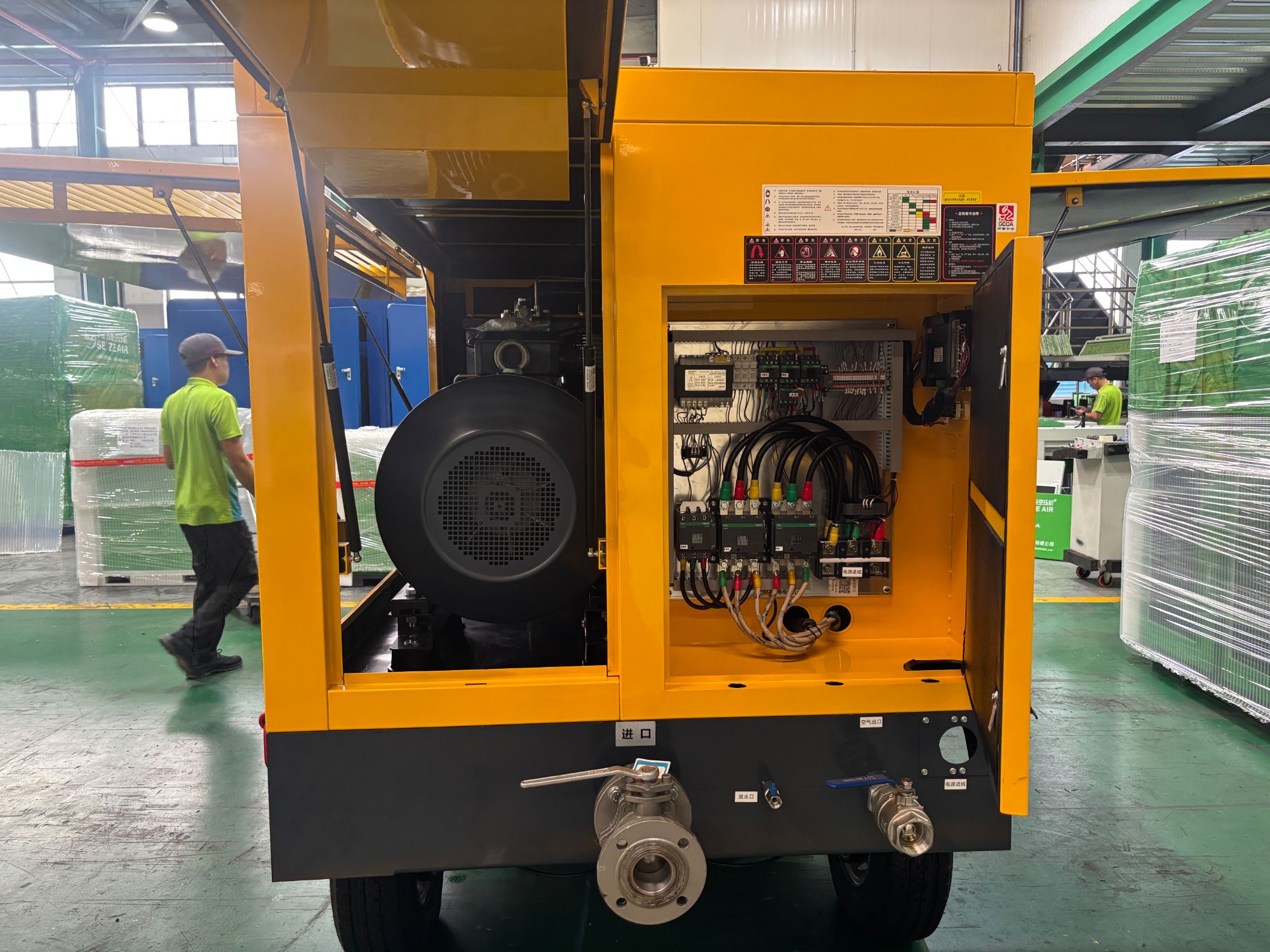
In relentless summer heat, when asphalt shimmers and the air hangs thick, many engines falter. But diesel workhorses, from rugged generators to heavy-duty trucks, shrug off triple-digit temperatures with a stubbornness bred into their bones. Their secret isn't one single trick but a marriage of brute-force engineering and smart design—high compression ratios, robust cooling systems, and fuel that doesn't vapor-lock as easily as gasoline. Where a gas engine might stutter, a diesel just keeps pulling, like a mule that doesn't know enough to quit.
The real magic happens inside the cylinders, where the sheer pressure of the compression stroke turns the air scorching hot—so hot that fuel ignites the moment it's injected, no spark plugs needed. This simplicity is a superpower in extreme heat. Fewer electrical gremlins to chase, no delicate ignition timing to throw off. Plus, diesel fuel itself acts as a coolant within the injection system, carrying away heat before it can cause trouble. It's a tough, self-reliant approach that doesn't ask for much, just clean fuel and a mountain of air.
Of course, diesel isn't invincible. Cooling systems have to be up to the task—oversized radiators, viscous fan clutches, coolants designed to handle the extra thermal load without boiling over. Modern electronics help, too, adjusting fuel maps and boost pressure on the fly to keep exhaust gas temperatures in check. But at its core, it's still that old-school industrial logic: build it heavy, keep it simple, and it'll outwork anything else when the sun turns cruel. That's why you see diesel engines running irrigation pumps in dusty fields, powering remote mines, and hauling loads across deserts where failure isn't an option.
Cooling Technology Born from Desert Demands
Desert communities have long wrestled with blistering heat, giving rise to cooling innovations rooted in necessity. Ancient Persian engineers carved windcatchers—tall, chimney-like towers that channel even the faintest breezes downward into homes, sometimes passing the air over cool water channels to drop temperatures dramatically. These passive designs used no electricity, yet they turned stifling spaces into livable refuges, a testament to human adaptability when faced with extreme climates.
In modern times, startups are revisiting these age-old concepts with a high-tech twist. One method draws on radiative cooling—a phenomenon where surfaces emit infrared heat straight through the atmosphere into the cold of space, even under direct sunlight. A thin, mirror-like film applied to rooftops can shed building heat without consuming energy, mimicking the way desert sand rapidly cools after sunset. Field tests in arid regions have shown a drop in indoor temperatures by up to 5°C, slashing reliance on power-hungry air conditioners.
The real ingenuity lies in how these solutions align with the desert's own logic. Instead of fighting the heat, they dance with it—leveraging low humidity, clear night skies, and the raw power of the sun. From portable evaporative coolers made of fired clay to solar-driven adsorption chillers, the desert’s demands continue to push engineering forward, proving that some of the smartest answers to climate extremes emerge right where the problem is most fierce.
Built to Breathe in the World’s Toughest Conditions
When you’re working in environments where dust chokes the air and temperatures swing wildly, you need gear that doesn’t just survive—it adapts. Every seam and layer is engineered to handle extreme abuse while still letting you move and breathe. The fabrics actively pull moisture away from your skin, and strategic venting prevents that suffocating heat buildup. It’s not about coddling you; it’s about keeping you functional when every breath counts.
The design listens to the people who wear it daily in mines, firelines, and remote rigs. We’ve moved beyond bulky, stifling protection. Instead, tough outer shells meet inner linings that work with your body’s natural rhythms. High-wear areas are reinforced without sacrificing airflow, so you never feel like you’re fighting your own clothing. It’s almost like the kit learns your movements, flexing where you need it and staying resistant where you don’t.
In the end, this isn’t just about surviving one bad shift. It’s about endurance over weeks and months. By reducing fatigue from overheating and chafing, the system keeps you sharper for longer. It’s a quiet kind of reliability that doesn’t announce itself—you only notice it when you realize you’ve stopped thinking about your gear entirely and are just focused on the task at hand.
Components That Shrug Off Thermal Punishment
Some electronic parts seem almost indifferent to extreme heat. Silicon carbide semiconductors, for instance, keep switching at temperatures that would send ordinary silicon into thermal runaway. Ceramic capacitors built with high-temperature dielectrics hold their values steady when solder joints nearby are starting to glisten. Even connectors get in on the act—certain alloys and plating materials refuse to soften or oxidize when the ambient heat soars past the typical industrial ceiling.
The secret often lies in material choices and simplified structures. Wide-bandgap semiconductors sidestep leakage currents that plague silicon at elevated temperatures. Ceramic-based passives avoid the parametric drift that plagues their polymer counterparts. And when designing for harsh environments, engineers sometimes favor hermetic packaging and inorganic bond wires, stripping away anything that might degrade when the heat is on. These components don’t just survive thermal punishment—they operate right through it, barely breaking a sweat.
Efficiency That Soars Even When Temperatures Don’t Drop
Conventional wisdom says air conditioning efficiency takes a nosedive when outdoor temperatures climb, but that’s no longer the whole story. Modern heat pump and inverter-driven systems are engineered to maintain impressive performance even when the thermometer refuses to budge downward. By dynamically adjusting compressor speed and refrigerant flow, these units sidestep the energy-sapping start-stop cycles of old, delivering steady cooling without the usual penalty. It’s a quiet revolution that keeps utility bills from skyrocketing during relentless heatwaves.
The secret lies in advanced coil designs and enhanced heat exchange surfaces that work overtime in challenging conditions. Paired with smart thermostats that learn your schedule, the system preemptively adjusts to hold indoor comfort without working harder than necessary. This isn’t just about saving watts—it’s about stretching the lifespan of the equipment by avoiding the thermal stress that comes with constant on-off switching. Homeowners report feeling the difference: rooms stay consistently cool and dry, even on those muggy afternoons when the air feels like soup.
Field studies back up the real-world benefits, showing that cutting-edge units can exceed their rated efficiency during mild loads and barely deviate when the mercury rises. That translates to year-round resilience, not just a spike in performance under perfect lab conditions. Whether you’re cooling a compact apartment or a sprawling house, the technology adapts, proving that high temperatures don’t have to mean high energy costs. It’s a smarter way to stay comfortable, no matter what the weather throws at you.
FAQ
It's engineered to deliver reliable compressed air in scorching conditions where standard units would fail, handling ambient temperatures well above 50°C without breaking a sweat.
The engine is equipped with a heavy-duty cooling system, oversized radiators, and high-temperature tolerant components to maintain optimal performance even when the mercury rises.
Think desert mining operations, offshore drilling in tropical zones, or remote construction sites where heat and dust are constant challenges.
Absolutely. Its robust build and advanced air-end design ensure consistent high-pressure output for tools like jackhammers, sandblasters, and pneumatic drills under tough conditions.
We use premium heat-resistant materials, rigorous testing in simulated extreme climates, and a design philosophy that prioritizes longevity over shortcuts.
Not at all. The diesel system is tuned for efficiency across a wide thermal range, so you get lower fuel consumption and extended run times, even in the heat.
Conclusion
When the sun beats down and ordinary compressors falter, our high-temperature diesel air compressors keep pushing forward—no excuses, no compromises. We build every unit from the ground up for environments where heat isn't just a number but a relentless adversary. From desert mining operations to remote tropical construction sites, our machines thrive where others simply survive. Advanced intercooling and aftercooling systems, borrowed from race-engine thermal management, strip heat from compressed air before it breeds inefficiency; oversized radiators and variable-speed fans aren't afterthoughts—they're the heart of a cooling philosophy born directly from the Sahara's demands. Every hose, seal, and gasket is selected to shrug off thermal punishment, resisting embrittlement and blowouts that sideline lesser equipment. The result is a machine that hits its duty cycle right when the mercury tops 120°F, without nursing or shade.
Diesel-driven reliability forms the backbone of our design, marrying a fuel that's practically immune to heat-induced vapor lock with direct-injection engines tuned to hold their torque curve even as in-cylinder temperatures spike. This isn't just an air compressor—it's an autonomous workhorse. Engine and airend are thermally isolated, vibration-damped, and mounted on frames baked in salt-spray chambers to prove they'll still be solid a decade into corrosive coastal heat. The filtration system breathes dense, dust-laden air through cyclonic pre-cleaners and multi-stage elements, so internal components never see the grit that eats rivals alive. The payoff is efficiency that actually climbs in punishing conditions: thermal efficiency mapping lets the package deliver rated CFM without the derating curves you'll find on spec sheets of standard machines. In short, we engineer compressors that treat extreme heat as just another day, giving operators uptime they can count on when the sun says otherwise.
Contact Us
Contact Person: Mia
Email: [email protected]
Tel/WhatsApp: +86 19821985894
Website: https://www.seize-air.com